Setting up a campsite can be an exhilarating experience, especially for beginners eager to embrace the great outdoors. However, without a proper plan, it can quickly turn into a chaotic endeavor. This guide will walk you through the essential steps to ensure your campsite is set up efficiently, allowing you to focus on enjoying your adventure rather than stressing over logistics.
Choosing the Right Location
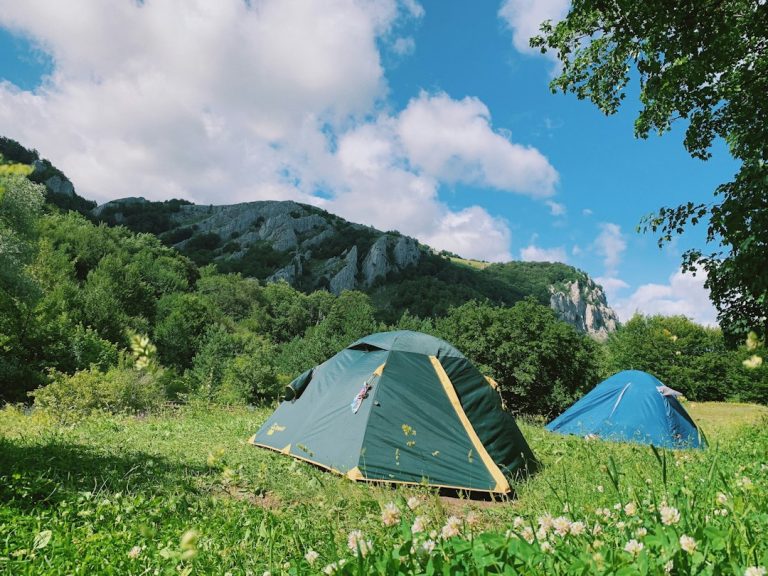
The first step in setting up your campsite is selecting the ideal location. Look for flat, dry ground that is free from debris and sharp objects. Avoid areas near water sources, as they can attract insects and may flood during heavy rain. Additionally, consider the proximity to trails and amenities; you want to be close enough to enjoy them but far enough to maintain your peace and privacy.
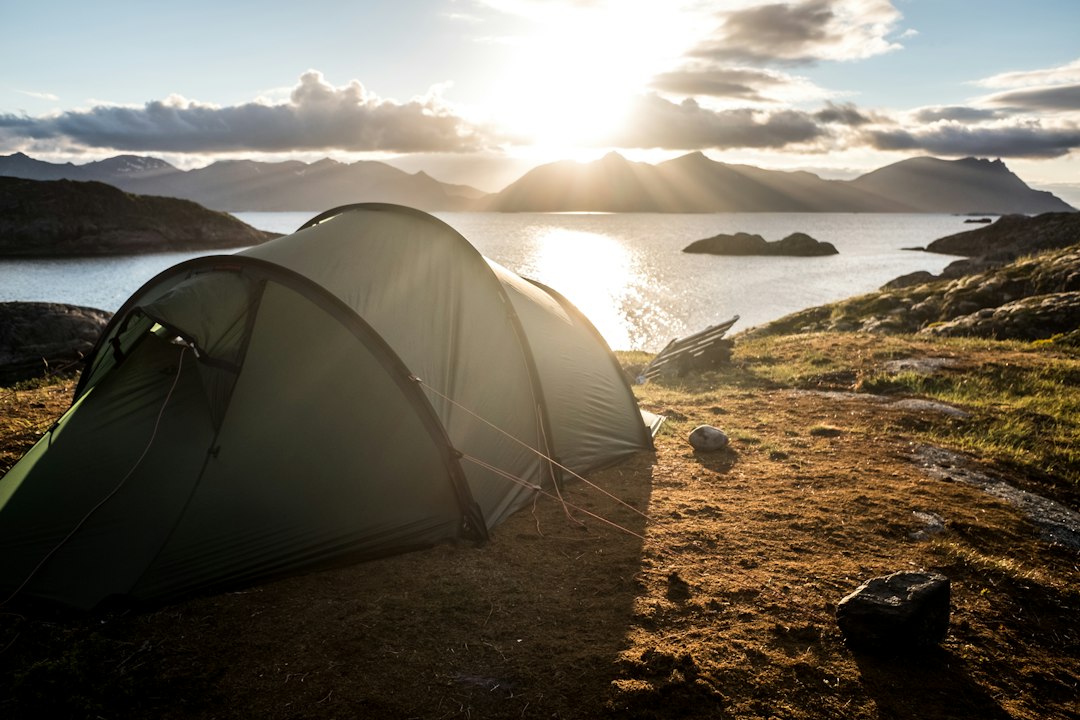
Once you’ve found a suitable spot, take a moment to assess the surroundings. Check for potential hazards such as falling branches or unstable ground. It’s also wise to consider the direction of the wind and the sun. Position your tent so that it’s shielded from harsh winds and receives morning sunlight to warm it up. This thoughtful placement can significantly enhance your camping experience.
Setting Up Your Tent
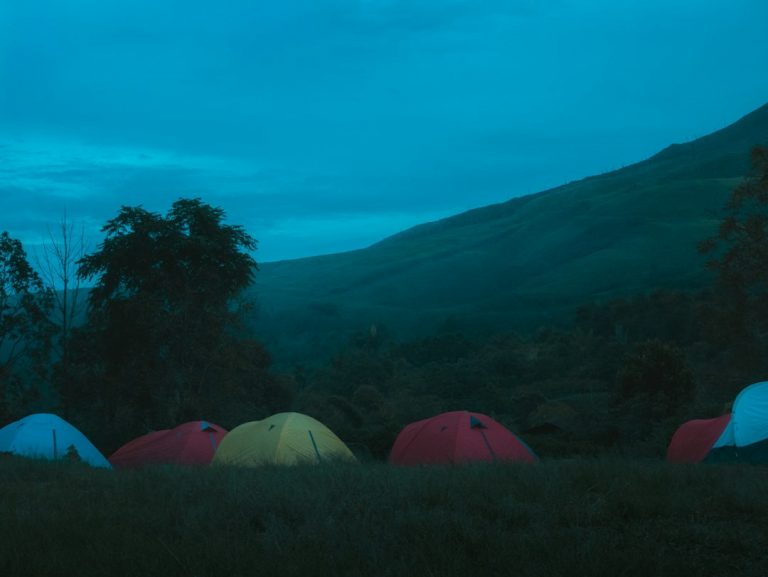
Now that you have your location, it’s time to set up your tent. Begin by laying out the footprint or tarp to protect the tent floor from moisture and abrasion. Assemble the tent poles and insert them into the corresponding sleeves or clips. If you’re unsure about the setup, refer to the tent’s manual or watch a quick tutorial online. Familiarizing yourself with the process before your trip can save you valuable time and frustration.
Once the tent is up, secure it with stakes to prevent it from blowing away in the wind. Make sure to stake out the guylines for added stability. After securing the tent, take a moment to organize your gear inside. Designate areas for sleeping, cooking, and storing equipment. A well-organized tent will help you find what you need quickly and keep your space tidy.
Creating a Cooking Area
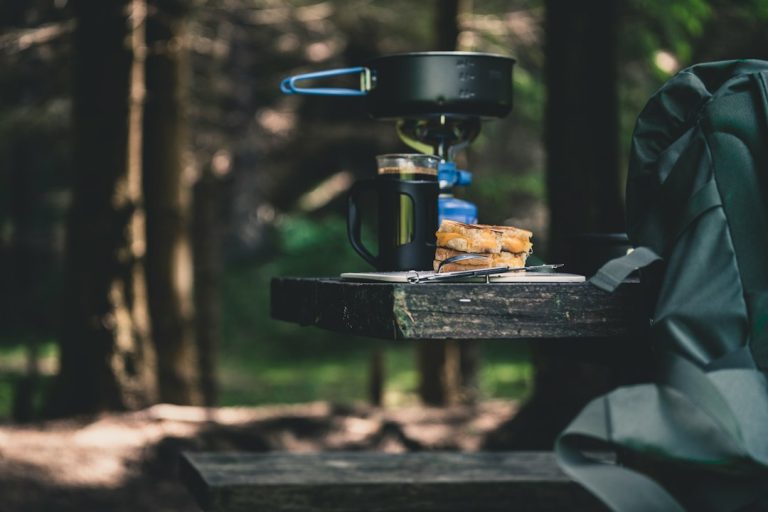
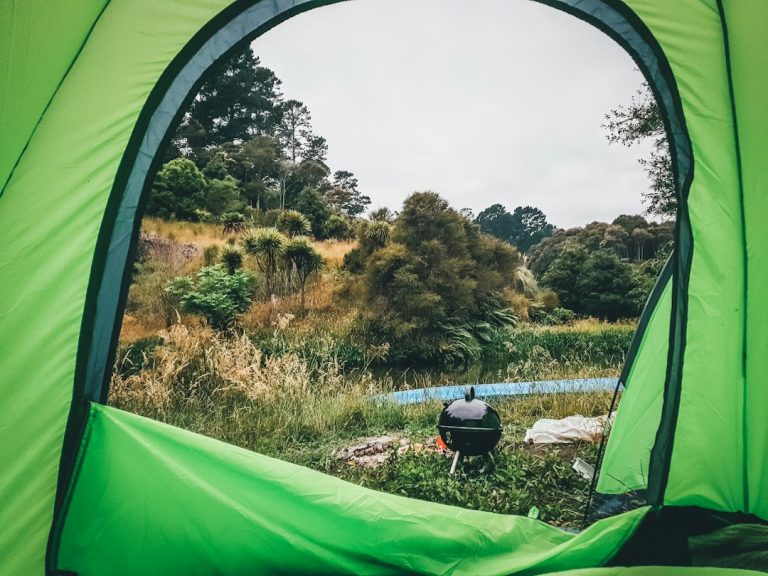
Food preparation is a crucial aspect of camping, and having a designated cooking area can streamline the process. Choose a flat surface away from your sleeping area to set up your stove or campfire. If you’re using a stove, ensure it’s stable and on a non-flammable surface. For campfires, check local regulations and guidelines to ensure you’re following safety protocols.
Gather your cooking supplies, including pots, utensils, and food storage. Keep your cooking area clean and organized to avoid attracting wildlife. Use a cooler or bear-proof container to store perishables. Remember, cleanliness is key to a successful camping trip, so clean as you go to minimize mess and prevent attracting unwanted guests.
Establishing a Relaxation Zone
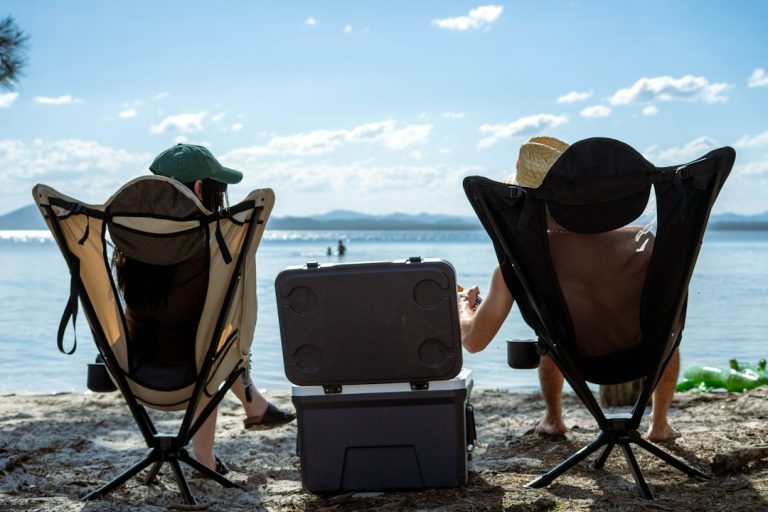
After a day of hiking and exploring, having a relaxation zone can make your campsite feel like home. Set up chairs or a hammock in a shaded area where you can unwind and enjoy the scenery. Consider bringing a portable table for games or meals. This space will become your go-to spot for socializing and enjoying the outdoors.
Enhance your relaxation zone with personal touches like string lights or a portable speaker for music. These small additions can create a cozy atmosphere that makes your campsite feel inviting. Remember to respect the natural environment and leave no trace, ensuring that your campsite remains beautiful for future visitors.
Checklist:
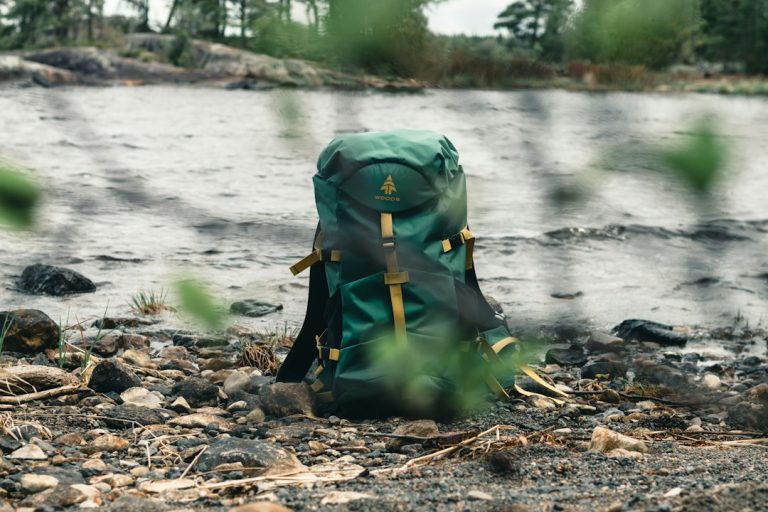
Before you head out, ensure you have the following items: a reliable tent, a portable stove or cooking equipment, and a first aid kit. These essentials will set you up for a successful camping experience. Additionally, familiarize yourself with the area and local wildlife to stay safe and informed during your adventure.
By following these steps, you’ll be well on your way to setting up your campsite efficiently. Embrace the adventure, enjoy the process, and make lasting memories in the great outdoors. Happy camping!